You cut the salt. You drink the water. You bought the compression socks. And your ankles are still puffy by dinner.
Maybe you brought it up at your last checkup. The bloodwork came back normal. "Drink more water," the doctor said. "Elevate your legs." You went home more confused than before, because you were already doing that.
Swelling isn't only about salt or water. Your body has a separate network of vessels that moves extra fluid, waste, and immune cells back toward your heart: the lymphatic system. Unlike your heart, it has no pump of its own. It relies on you moving, breathing, and staying hydrated to keep that fluid circulating.
Sit at a desk all day, sleep wrong, fly across time zones, or eat a salty meal, and that flow can slow down. The result: a puffy face in the morning, tight rings by afternoon, heavy legs by evening. Nothing looks "wrong" on a blood test. Bloodwork doesn't measure how well fluid moves through soft tissue.
That's also why cutting salt for months, or wearing compression daily, didn't fully fix it. Those habits manage fluid you already have. They don't do much for the pathways that move it out.
A quick, important note before we go further: this article covers everyday puffiness and a sluggish, stuck feeling, not a diagnosis. Ongoing swelling in one arm or leg is different, especially after surgery, cancer treatment, or lymph node removal. That's a sign of lymphedema, a real medical condition. See a doctor or a certified lymphedema therapist. A supplement is not a substitute for that care.
A well-formulated lymphatic-support supplement can still help. Think of it as a low-effort addition to water, movement, and a lower-sodium diet, not a replacement for them.
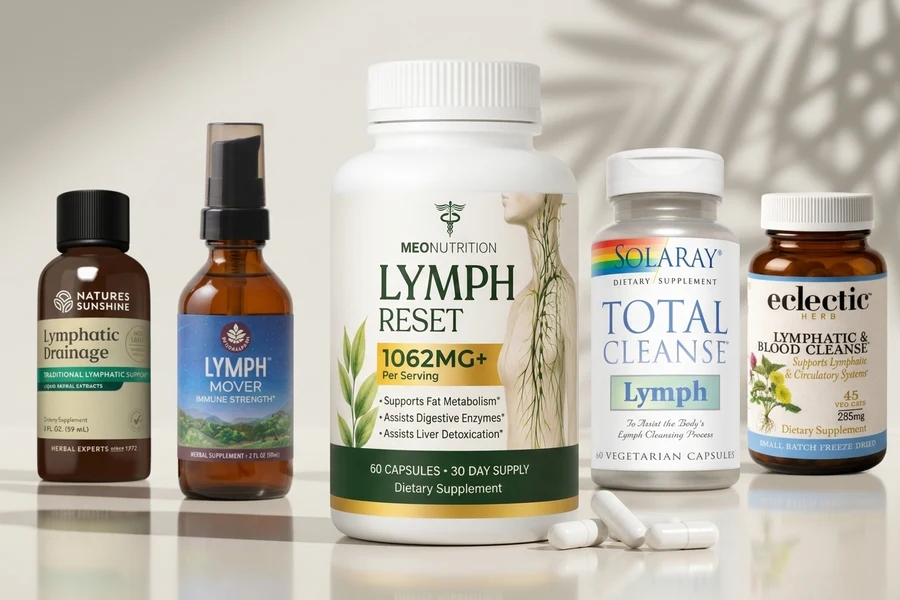
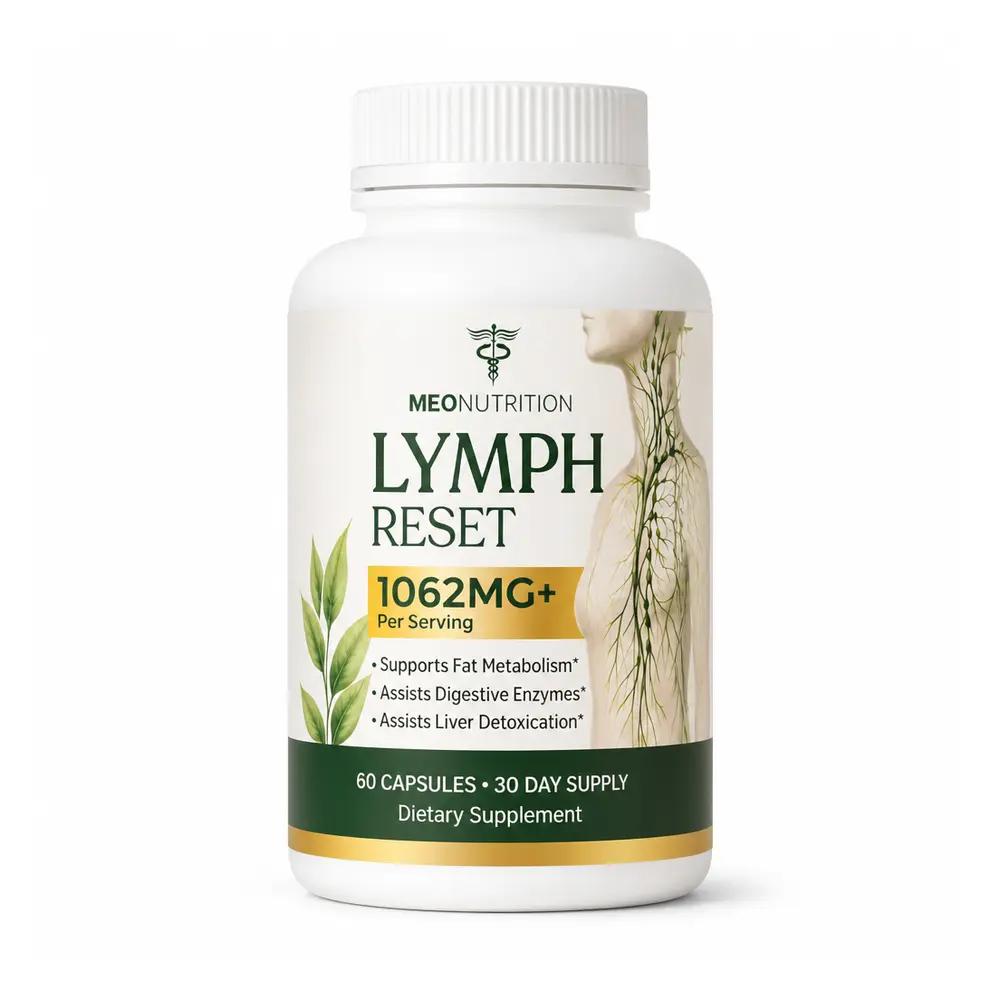
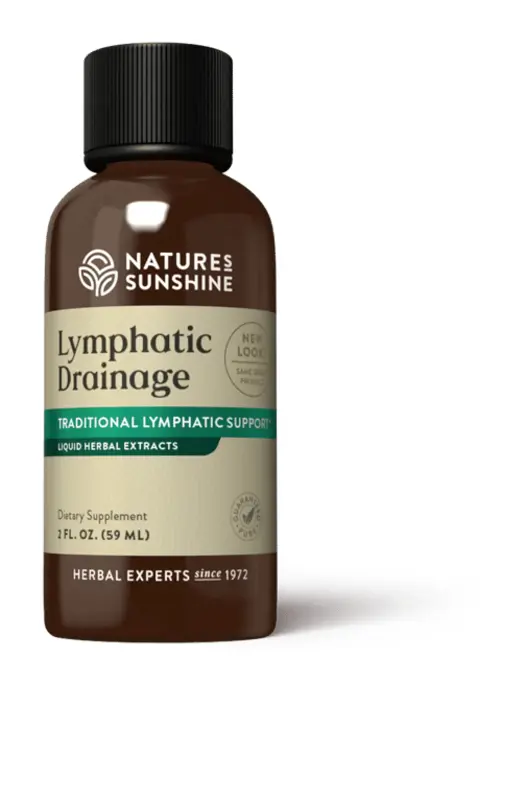
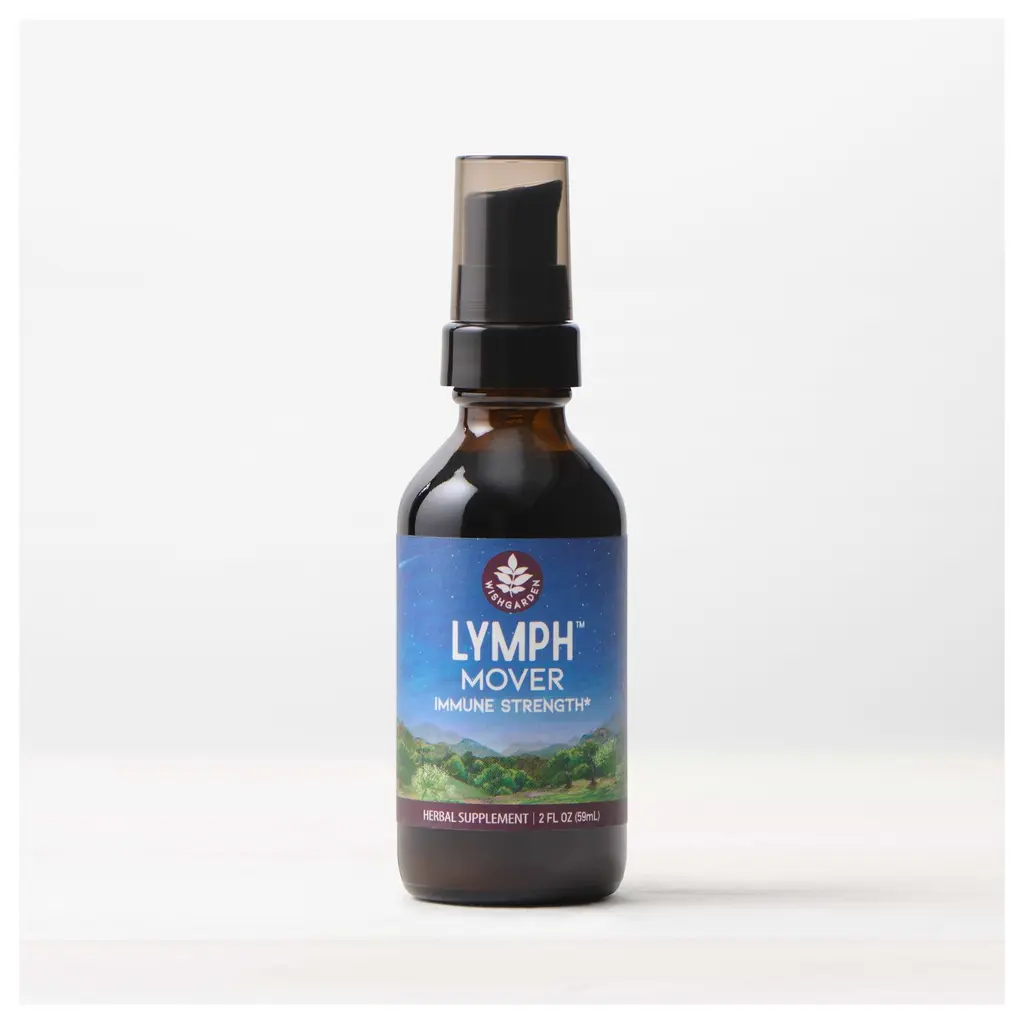
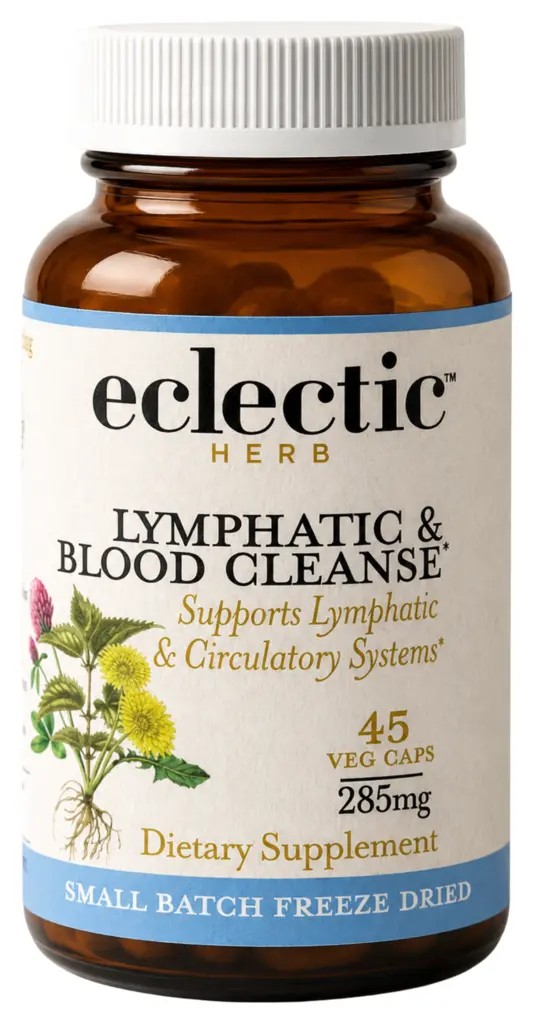
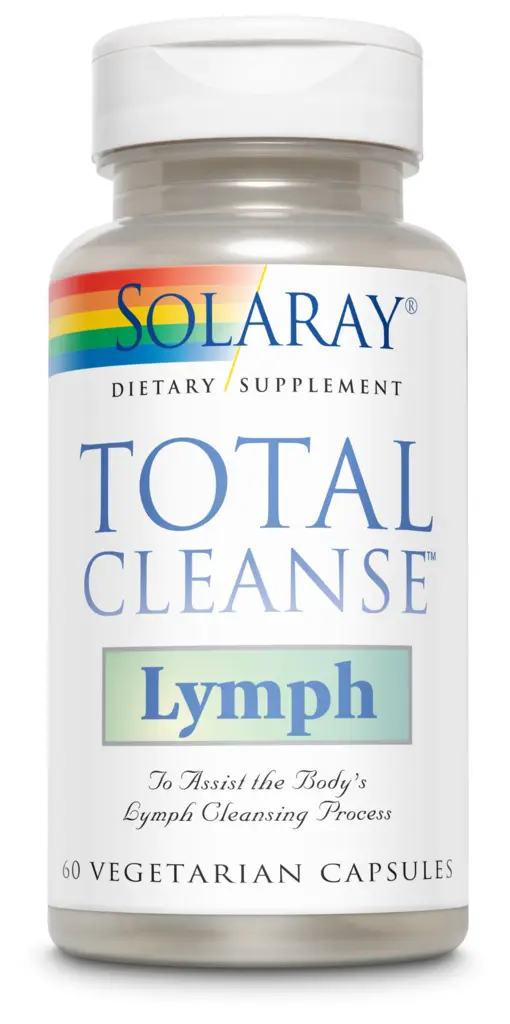
We compared 9 bestselling lymphatic-support supplements on their active ingredient doses, manufacturing standards, ingredient transparency, and verified customer feedback. Only five met our bar on formulation and evidence.
The results are below.